FIGC opens match-fixing investigation following ten arrests

The Italian football association (FIGC) has opened an investigation after ten people were arrested by Naples police in connection to allegations that certain Serie B matches during the 2013/14 Serie B season were fixed. ‘In relation to the investigation conducted by the Anti-Mafia Directorate (DDA) of Naples, which this morning has led to a series of arrests for the illegal activity of betting on matches in Serie B, the FIGC’s Federal Prosecutor, Stefano Palazzi, has contacted the Prosecutor Filippo Beatrice receiving full availability to the documents involved in the investigation’, read a 23 May statement. ‘In the coming hours, an investigation by the Federal Prosecutor’s Office will be formally opened and in the coming days the withdrawal of proceedings by the DDA in Naples will be ordered’.

The Naples DDA investigation centred on two matches understood to be fixed by the ‘Vanella Grassi’ crime group, reports La Republica. Three footballers are understood to be implicated in the investigation.

Sports Integrity Briefs – 23 May 2016

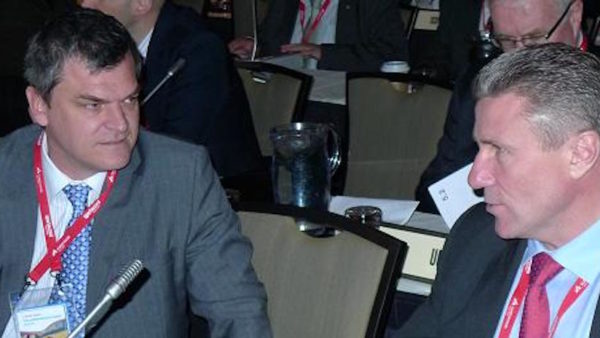
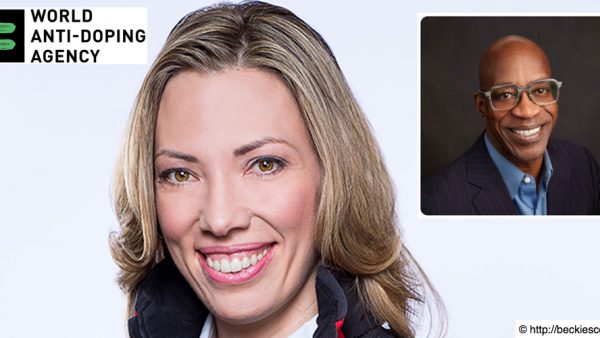
• World Anti-Doping Agency (WADA) President, Sir Craig Reedie (pictured), hopes to have raised a US$1.2 million (€1 million) to be used to investigate doping by the end of the year. “I made an appeal in November last year after the Pound report, when Governments seemed very keen on investigations”, he told Inside The Games. “My guess is that by roughly the end of June I will have raised about $600,000 (€535,000) from Governments, and I will then formally write to the IOC and ask them to match it. If that comes about, I then have obviously up to $1.2 million (£827,000/€1 million) as an investigations fund.”

• WADA has published the Terms of Reference for the appointment of Canadian lawyer Richard McLaren to investigate allegations that the doping control process at the Sochi 2014 Winter Olympics has been manipulated. They stipulate that McLaren’s report must be presented to the WADA President no later than 15 July 2016.

• New Zealand Football has announced that Drug Free Sport New Zealand (DFSNZ) is investigating a ‘potential adverse analytical finding’ reported by midfielder Clayton Lewis. ‘The adverse finding, which was found while Lewis was playing for Auckland City FC in an ASB Premiership match in February 2016, suggests that the 19-year-old had a high level of Ventolin (salbutamol), a common asthma drug, in his system’, reads a statement. ‘This drug was prescribed to Lewis by a doctor to treat longstanding asthma symptoms. The cause of this elevated level is being investigated by Drug Free Sport New Zealand.’

• The Portuguese football players association (SJPF) has called for a serious debate between all involved parties about what can be done to tackle match-fixing in football, after a number of players were arrested as part of operation ‘double game’ at the weekend. ‘The SJPF will convene its institutional partners for a serious debate on what measures, by way of sporting rules, can and should be taken’, read a statement. ‘The urgency is great, given that licensing of clubs for the next sports season is pending’. It is understood that 15 players and officials have been arrested to date by the Judicial Police.

• The Union Cyclist Internationale (UCI) has imposed a two-year ban on Slovenian cyclist Blaza Klemencic, after reanalysis of a sample taken on 27 March 2012 returned a positive test for recombinant erythropoietin (EPO). ‘The results obtained by the rider from 27 March 2012 to 31 December 2012 are disqualified, whilst all other results shall stand’, read a UCI statement. That means that Klemencic will lose the silver medal she took at the 2014 MTB European Championships cross country race. Klemencic has been suspended since September last year, as reported by The Sports Integrity Initiative.

• Professional cyclists Iván Parra and Rafael Infantino have been banned for four years after testing positive for GHRP-2, which stimulates production of human growth hormone, reports El Tiempo.

FINA lifts Efimova’s provisional suspension

The Fédération Internationale de Natation (FINA) lifted its provisional suspension of Yulia Efimova on 20 May, after she tested positive for meldonium in March. ‘This news follows a new recommendation from the World Anti-Doping Agency (WADA) on this case’, read a FINA statement. ‘WADA is to undertake further scientific research on Meldonium and have therefore recommended to FINA that the suspension of the swimmer should be lifted’.

On 16 April, FINA decided to maintain the provisional suspension of Efimova, despite WADA issuing a Guidance Notice on 11 April explaining how anti-doping organisations (ADOs) should handle meldonium positives. That meant that Efimova missed Russia’s Olympic swimming trials, which began on 17 April.

‘In mid-April, based on the scientific evidence made available by WADA at that time, FINA’s decision had been to maintain the suspension’, FINA’s statement attempted to explain. ‘This was mainly due to the sequence of testing results of Ms Efimova’.

Efimova’s case highlights the potential issues that could face ADOs regarding meldonium positives. FINA would have been in possession of the Guidance Notice on 11 April, when it was sent to WADA stakeholders and before it decided to maintain her provisional suspension. As such, Efimova (pictured) could have missed out on qualification for the Rio 2016 Olympics. Fortunately for FINA, Russian swimming federation (BON) rules allow times set earlier in the year to be taken into consideration.

FINA also clarified that although Efimova’s provisional suspension has been lifted, she has not been cleared. ‘Following the outcome of WADA’s scientific studies and subsequent indication on this matter, the FINA Doping Panel will take a decision’, continued the statement. ‘After that, Ms Efimova would be entitled to file an appeal to the Court of Arbitration for Sport (CAS). FINA would like to underline that the decisions taken on this case have strictly followed the FINA Doping Control Rules as well as specific recommendations from WADA concerning the prohibited substance Meldonium.’

Posted in UncategorisedTagged

Dick Pound on the tools that WADA needs to tackle doping

It has been yet another tumultuous period for the World Anti-Doping Agency (WADA). Firstly, Dr. Grigory Rodchenkov – the former Director of the Moscow anti-doping laboratory who admitted destroying 1,417 samples he was asked to retain – alleged that doping samples of Russian medal winners had been manipulated at the Sochi 2014 Winter Olympics. The allegations included that four Russians on steroids had taken gold at Sochi.

Secondly, the International Olympic Committee (IOC) announced that ‘up to 31’ athletes due to compete at the Rio 2016 Olympics had doped. The findings came from retests of 454 samples taken at the Beijing 2008 Olympics and involved athletes from six sports and 12 National Olympic Committees (NOCs). Even worse, more positives could be in the pipeline, as the IOC is retesting 250 samples from the London 2012 Olympics. Likewise, if adverse analytical findings (AAF) are confirmed for medal winners, the total could rise as medal reallocation would require further retests.

The IOC later clarified that we will have to wait until June to see if the retests involve an AAF, which is why it could only confirm that ‘up to 31’ athletes had tested positive. We are still awaiting analysis of thDickPoundeir B samples. An AAF is only confirmed if analysis of the B sample matches that of the A sample.

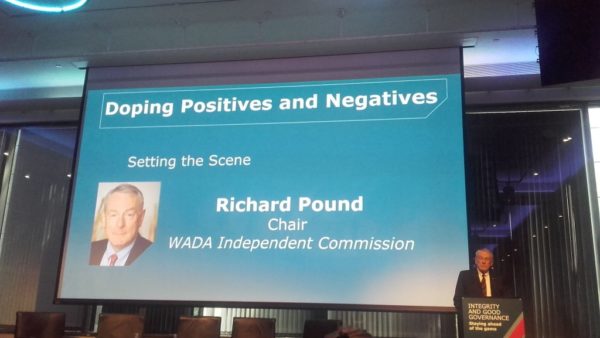
Although the allegations involve the Olympics, WADA has once again been called upon to investigate. It has experience in this area, having produced two reports into allegations of systemic doping in Russian athletics. Heading the Independent Commission formed to investigate these allegations was Dick Pound, WADA’s founding President. The Sports Integrity Initiative spoke to him at the recent Sports Resolutions conference, which took place before the Sochi ‘bomb’ went off, about the tools that he would like to tackle doping in sport.

Investigation costs

Investigating doping is an expensive business. At its Foundation Board meeting in November last year, WADA revealed that its two Independent Commission reports into allegations of systemic doping in Russia had cost US$1.3 million. That is around 6% of WADA’s $21.2 million budget for 2016.

As the above illustrates, WADA’s expenses are currently outstripping its contributions. If it is to be required to carry out such investigations, it will need more funding. Pound has a solution for this – make those being investigated pay.

“WADA needs additional powers to investigate, as well as the power to make those being investigated contribute towards the cost of that investigation”, he told delegates at the Sports Resolutions conference. “We also need the power to sanction those who refuse to contribute”.

This expanded on a theme developed at the Tackling Doping in Sport conference earlier this year, where he said: “You need to do something to get their attention. You would say that we have enough information that our internal review committee thinks there’s probable cause. We think that it’s going to cost a million dollars. We think it’s appropriate for you to pay half. Upfront. And if you don’t pay that in whatever the time is, then you can impose a provisional sanction.”

WADA President Sir Craig Reedie has recently suggested putting a 0.5% tariff on media rights, which he estimates would raise $175 million for WADA. However, Pound pointed out that this may require changing WADA’s funding model. Under the current system, the IOC is required to match funding provided by governments which means that in practice, WADA must ask governments to increase funding in order to increase its budget.

“One of the policy decisions that could be made is that instead of taking half of $26 million each year, we could double that – simply take it off the television revenues”, he said. This would involve no change to the contributions required by governments and the IOC, but would require broadcasters and companies sponsoring sport to match the $26 million jointly provided by governments and the IOC.

However, Pound warned that this model still faces the ultimate problem that the Agency must go, cap in hand, to governments in order to secure any funding increase. “You should see the war dance they do on every half percent increase”, he said. “This is, for them, $13 million spread over 205 countries. It’s not even a rounding error. However, you’d think civilisation as we know it would disappear if we had to pay any more.”

“The whole philosophy was that sport would pay half and the federations would pay half”, he continued. “You would have to get their consensus. My experience is that you can’t embarrass governments. Especially not across that board. So we have to try and find some way of getting them to the table.”

Meldonium

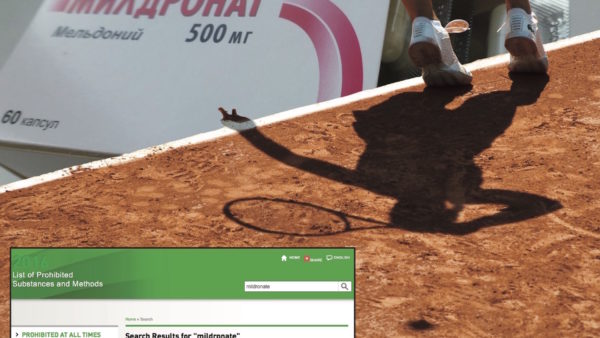
Recent developments regarding Sochi 2014 and IOC retests have taken the focus away from meldonium. Critics – such as the manufacturer of the main meldonium brand, mildronate – argue that WADA should never have added the substance to its Prohibited List, as there is no scientific evidence that it has a performance-enhancing effect. There is, however, evidence from WADA that athletes were taking it.

According to Article 4.3.1 of the 2015 World Anti-Doping Code, a substance must meet two of three criteria to be included on the List:

• Medical or other scientific evidence, pharmacological effect or experience that the substance or method, alone or in combination with other substances or methods, has the potential to enhance or enhances sport performance;
• Medical or other scientific evidence, pharmacological effect or experience that the use of the substance or method represents an actual or potential health risk to the athlete;
• WADA’s determination that the use of the substance or method violates the spirit of sport described in the introduction to the Code.

Mildronate’s manufacturer Grindeks argues that meldonium is used to treat health conditions such as cardiovascular and neurological diseases. If it doesn’t have a performance-enhancing effect and it designed to promote health rather than posing a risk to the health of athletes, then Grindeks’ argument that it shouldn’t be on the List appears to hold some water.

However, Pound doesn’t support the theory that in meldonium’s case, WADA got it wrong. “In the sense of identifying it as a drug to go on the list, the scientific process we go through and the consultation is huge, on an annual basis”, he argued. “There was a very clear consensus that it should be on the List”.

In April, WADA said that there have been 172 positives for meldonium since the 2016 Prohibited List, which banned meldonium, was introduced on 1 January. Many of these athletes have argued that they stopped taking the drug months before the List came into effect. As WADA’s Guidance Notice on meldonium indicated, it appears that the detection window for the drug is much longer than previously thought.

The only known scientific study on excretion times for meldonium was published on 4 May this year. The study, which was performed on ‘two healthy male volunteers’ (not elite athletes), found that meldonium exited the body in two phases – a rapid phase followed by a slower elimination phase. It could provide some support for athletes who have tested positive for meldonium, but claim to have stopped taking it before the 2016 Prohibited List came into effect on 1 January.

‘According to literature data, the estimated half-life (t1/2) of meldonium during the initial rapid elimination phase is 5–15 h’, it reads. ‘The results of this pilot study suggest the existence of a subsequent second and substantially slower elimination phase, attributed to a proposed incorporation of meldonium into erythrocytes. The administration of a single oral dose of meldonium was detected in human urine for up to 49 days using established doping control analytical approaches and in DBS for at least 16 days. In consideration of the multi-dose administration data and reported accumulation effects regarding meldonium and the aforementioned results that suggest the incorporation of the drug into erythrocytes allowing for sustained liberation during eryptosis, detection windows after long-term administration of high but yet therapeutic amounts of meldonium span over several weeks and might even extend to months.’

“It would probably have been better to have done those studies in advance”, conceded Pound. “Looking back with the clarity of hindsight, that would have been helpful. Once you knew you are heading towards a recommendation to add it to the List, somebody should have said OK, is this like marijuana, where it stays in your system for weeks or whatever the duration is, or is it something that is gone pretty quickly.”

Communication issue

WADA has already said that it will look at how international federations are communicating changes to the World Anti-Doping Code, after Maria Sharapova fought back against allegations that tennis authorities had warned her five times about meldonium. “In light of what we see, the communication might not have been optimal at that level”, said WADA’s Chief Operating Officer and General Counsel, Olivier Niggli. ““Clearly there is a responsibility on anti-doping organisations to make sure that they pass on the information”.

Pound said that WADA would consider making communicating changes to the Prohibited List a compliance feature of the Code. “We can probably do that”, he said. “One of your Code compliance checklists would be what do you do with respect to the annual List and changes to it? Or, have you communicated it to the athletes? You can certainly put an onus on the international federation to make sure its national federations do this; on the NOC to make sure that its national federations do it. That’s certainly feasible.”

Russia – double standards?

On 17 June in Vienna, the International Association of Athletics Federations (IAAF) Council will decide whether Russian athletics has made sufficient changes to be readmitted, ahead of the Rio 2016 Olympics. One criticism that has been aired is that given the weight of allegations against Russian sport, any decision to readmit Russia runs the risk of being viewed as double standards, given that the International Weightlifting Federation (IWF) has banned Bulgaria after 11 of its weightlifters tested positive in March 2015.

Pound said that Bulgaria was banned under a weightlifting rule introduced after the 1988 Seoul Olympics due to the number of positives being produced by the sport. “Weightlifting did a number of things”, he clarified. “It changed all of its weight categories and previous world records. They imposed very strict provisions including a cumulative number of positives leading to disqualification of your team. They introduced fines, which were US$50,000. I said that doesn’t seem that significant, but look at the countries where this is happening. It could be all of the foreign currency reserves in the country. The current expulsion of Bulgaria arises through the application of that rule. The IAAF doesn’t have such a rule – in fact, no other federation has that rule.”

Pound said that WADA would consider making such a rule mandatory for international federations in the next consultation round on potential changes to the Code. “It is possible”, he said. “During the next go-round of the Code, we ought to say that all signatories ought to have such a rule that is reasonable in the circumstances”.

Russian ban – unfair for clean athletes?

IOC President Thomas Bach has recently said that he is keen to explore whether athletes from ‘contaminated’ federations could still compete at the Olympics, if they can prove that they are clean. Pound isn’t keen on such a proposition.

“If Russia is guilty and doesn’t talk its way back in, then it’s absolutely correct that they are not in”, he argues. “It may be unfortunate that there are other countries that have not yet been caught, however, as I understand it, Seb[astian Coe] has put six or seven other countries on a watch list, certainly the other ones that we mentioned in the [Independent Commission] report, for that reason. You may get to the point where you can put them on some sort of a timeline where they have a positive obligation to demonstrate that they are clean, rather than the IAAF having to establish that they are not. I think that there are a number of ways that you can slice the pie to increase the pressure.”

Sport investigating sport

Interestingly, Pound recognised that sport has not done a great job at investigating systemic doping and may face evidential problems if it attempts to investigate other countries. “Our Commission was lucky to have really good whistleblower evidence, really lucky. It was well organised, it was sound, it was un-impeachable, we did all the forensic analysis of the tapes and determined that they hadn’t been altered and so on. However, if we had gone to Russia without that evidence, we would have been told to go home.”

Pound also said that while WADA is ready to look at other countries, its investigative capacity has been hampered by the loss of Jack Robertson, a former US Drug Enforcement Administration (DEA) agent who worked with the US Anti-Doping Agency (USADA) on its investigation into Lance Armstrong. “WADA is ready to look at sports in other countries”, he said. “Whether they will take another chance with me or not, I don’t know. The investigation mechanism should work and we’re building up our own little forensic unit within WADA. We lost Jack Robertson to a combination of illness and retirement relatively recently. We’re trying to replace him so that we have an in-house investigative capacity.”

Whether Robertson retired or was fired for sharing some of the conclusions of the Independent Commission’s second report ahead of its publication is the subject of some debate. “Quebec law does not allow us to discuss the details of personnel publicly”, said a WADA spokesperson.

Pound has met with the IOC Athletes Commission and has encouraged it to get involved. “We said to the Athletes Commission: You guys are out there. You know what’s going on. Tell us what kind of protection you need in order to encourage people to come forward. You can’t do that sort of thing in Russia – as we know. It was so bad. ARD was very good about that. They said look, we’re not going to run this programme until you’re out of the country and hidden away. Think about that.”

“The sports federations, as you heard in the panel are just brutal with whistleblowers, absolutely brutal”, he continued. “So there has got to be a way of getting the evidence and then…well, you’re all journalists. If you have certain information, then you go and speak to others, they don’t know what you know, so you’re able to cross check what you know with what they say.”

Readmitting Russia

“At the moment, they’re on the outside trying to get back in”, points out Pound. “So there’s an onus on them to show that whatever changes are required have indeed been effected”. This was already a hard task, which has been made even more difficult by the allegations surrounding Sochi. Currently, only athletics has been suspended but, as pointed out by UK Athletics CEO Ed Warner, the suspended Russian Anti-Doping Agency (RUSADA) and the Moscow laboratory were not just responsible for testing track and field athletes.

So has Russia reformed itself? UK Anti-Doping’s experience in managing a testing programme within the Russian federation would suggest not. Following meetings with WADA and RUSADA last year, UK Anti-Doping (UKAD) officially accepted a mandate to assist with testing Russian athletes on 18 December.

Its experience has not been a roaring success. It only managed to conduct 247 tests from 18 November 2015 until 5 May 2016. A planned 426 additional tests were ‘cancelled/declined’. Based on the 247 that were conducted in that period, 99 involved whereabouts failures across 18 sports; there were 20 missed tests; 79 filing failures; one whereabouts violation and one refusal.

The full ‘Status of Russia testing’ document (see below), which was presented to the WADA Executive Committee and Foundation Board meeting on 11/12 May, also details the issues that UKAD has encountered with testing athletes in Russia. It lists:

• Capacity of private sample collection companies limited in Russia;
• Delayed payments from RUSADA to UKAD, private sample collection providers and international experts;
• Delayed agreements for experts; and 
• Issues with access to closed cities.

This presents a problem for the IOC and WADA, as it suggests that it is not only Russian athletics that has an issue. The whole of the Russian testing regime has yet to reform, meaning that there could well be athletes competing in Rio who have not been properly tested, out-of-competition. This destabilises Reedie’s claim that there ought to be a way for athletes who can prove that they are clean to compete in the Olympics. It would be very difficult for a Russian athlete to prove that they have been properly tested in such circumstances.

“On balance, I think that from a system point of view, it would be nice to have everybody at the Games”, said Pound. “Whether that makes sense or not – given what will be found in terms of the evidence of the changes they have actually made, remains to be seen”. And therein lies the problem. Under current circumstances, admitting Russian athletes to the Olympics would require them to prove that they are clean. The evidential burden of doing this could prove just too difficult.

Sports Integrity Briefs – 20 May 2016

• French professional tennis player Constant Lestienne has had his French Open wildcard revoked after ‘he was placed under a corruption investigation’. According to AFP, organisers of Roland Garros said that Lestienne is under investigation by the Tennis Integrity Unit (TIU) for what the French Tennis Federation (FFT) understood to be a ‘minor breach of the Tennis Anti-Corruption Program (TACP)’.


• The Football Association of Serbia (FSS) has filed an appeal to the Court of Arbitration for Sport (CAS) over the admission of the Football Federation of Kosovo (FFK) as a member association of UEFA. Soon after UEFA’s decision, the FFK were accepted as FIFA members too. According to Serbian newspaper Politika, the FSS has officially filed a complaint against UEFA, who are arguing, among other things, that football clubs under the auspices of the FSS already play in northern Kosovo and the FFK’s admission will lead to legal uncertainty of the status of these clubs.


UEFA’s Executive Committee has decided that the vote to elect its new President will take place on 14 September. An Extraordinary UEFA Congress will take place in Athens, and will also see the election the European female member of the FIFA Council, a new position introduced earlier this year. Former UEFA President Michel Platini resigned earlier this month after the CAS upheld his suspension from football, albeit for four rather than six years.


• The captain of German football team Eintracht Frankfurt, Marco Russ, has been diagnosed with a ‘heavy tumour disease’ following a positive doping test. In a statement Eintracht Frankfurt, who play in the Bundesliga, said that the German Football Association’s (DFB) Anti-Doping Commission had informed them of a positive doping test that had shown ‘an unusually high amount of the hormone HCG’. Germany’s anti-doping agency (NADA) had reportedly told the club that they suspected the high levels in the sample were ‘due to illness rather than the use of performance-enhancing drugs’. A urologist confirmed the diagnosis shortly afterwards.


• The Organising Committee of the Macau International Marathon has reportedly decided not to disqualify the results of the Kenyan athlete Flomena Chepchirchir, the winner of the 2014 race. According to The Macau Daily Times, Chepchirchir, who won the race during a period in which she was banned from competing by the International Association of Athletics Federations (IAAF), the Macau Sports Bureau took advice from the IAAF who had advised the organisers ‘not to disqualify the athlete’.


• A Senior Specialist in the Organised Crime team at Europol has said that match-fixing ‘should be given greater priority in the judiciary and police’ in Europe. David Ellero, in an interview with The NL Times, said that, at present, ‘match-fixing is particularly high profit and low risk’ and is misinterpreted by law enforcers as ‘an integrity problem for the sport instead of serious organised crime’.

WADA Names Richard McLaren to Sochi Investigation Team

Today the WADA President, Sir Craig Reedie, appointed Professor Richard H. McLaren as the independent person heading the Sochi investigation that was announced by the Agency yesterday. Professor McLaren is tasked with investigating the allegations made in relation to the 2014 Sochi Olympics, which were published by CBS 60 Minutes and The New York Times on 8 and 12 May respectively.

Richard McLaren was one of WADA’s three-person Independent Commission, led by founding WADA President Richard W. Pound, which exposed widespread doping in Russian Athletics. Professor McLaren will work independently, and be supported by the multi-disciplinary Team that has been established. He has significant experience in the world of international sports law, including being a longstanding member of the Court of Arbitration for Sport (CAS).

Sir Craig Reedie acted swiftly to name Richard McLaren further to requests received by the former director of Moscow’s anti-doping laboratory, Dr. Grigory Rodchenkov; and, whistleblower, Vitaly Stepanov.  Dr. Rodchenkov and Mr. Stepanov – that are the informants for this investigation — both expressed concerns regarding ‘independence’.  These are sentiments that were echoed by Beckie Scott, the Chair of WADA’s Athlete Committee.  Dr. Rodchenkov and Mr. Stepanov indicated that, in light of a perceived conflict of interest — given that the allegations relate to the Sochi Olympics and that WADA is funded by the International Olympic Committee (IOC) – they would only provide evidence in their possession to an independent person.

“WADA is grateful to Richard McLaren who has, once again, agreed to join a WADA Investigation Team,” said Sir Craig Reedie, President of WADA.  As President of WADA, I felt that it was in the best interest of clean athletes that we obtain the evidence as quickly as possible,” he continued.   “Given the sentiments expressed by many of a perceived conflict of interest, we did what’s necessary to follow through on our commitment to get to the bottom of these allegations; while, seeing that impartiality and transparency prevail.”

“With the help of Professor McLaren, we will now gather and review all evidence to determine if there have been any violations to anti-doping rules, or any other rules or laws,” said David Howman, Director General.  “Once the investigation is concluded, WADA will publish a full report and make available all pertinent evidence,” Howman continued.  “If it is found that there have been violations of the World Anti-Doping Code, WADA will ensure that individuals or organizations concerned are dealt with in an appropriate fashion.”

With the independent oversight of Richard McLaren, the Investigation Team will be led by WADA’s Investigations Manager, Mathieu Holz, who is a former Major of the French Gendarmerie and INTERPOL Agent. Mr. Holz is forming a multi-disciplinary team of experts that will include leading independent scientists such as the Director of the WADA-accredited laboratory in Montreal, Professor Christiane Ayotte.

• This media release was originally published by the World Anti-Doping Agency (WADA) on 19 May 2016. To access the original, please click here.

Russian general prosecutor’s office to investigate doping allegations

The Russian general prosecutor’s office today confirmed that it will investigate allegations of Russian doping at the Olympics. ‘The general prosecutor of the Russian Federation, in conjunction with other law enforcement agencies, the Russian Ministry of Sport and the Russian Olympic Committee will examine information published by the media and the World Anti-Doping Agency (WADA) on the doping of Russian athletes at the Olympics in Beijing, London and Sochi’, read a statement. ‘Within the framework of international legal cooperation, it is planned to direct requests to the competent authorities of the United States and several other countries to exchange information on the alleged use of doping. Relevant information will be requested from the World Anti-Doping Agency.’

It is unclear whether the investigation will examine links between the Sochi and Lausanne anti-doping laboratories, highlighted on Tuesday by The Sports Integrity Initiative. It has since emerged that Natalia Zhelanova, who was promoted to become Russia’s anti-doping advisor last month, played a role at the Sochi laboratory in her previous role as Head of the Anti-Doping Division of the Russian Ministry of Sport.

WADA’s Independent Observer (IO) report for Sochi 2014 found that while all Sochi laboratory staff ‘had been identified in the Laboratory Games Staff list under their ISO 17025 accreditation’, a ‘representative of the Ministry of Sport of the Russian Federation’ who ‘was not a part of the Laboratory Games staff and the IOC Medical Commission’ and ‘whose role was unclear to the IO’ was also present. Could this have been Zhelanova, or the Russian federal security service (FSB) agent who Dr. Grigory Rodchenkov alleged had begun working at the Moscow Laboratory in 2013, and showed him how to open and re-seal the tamper-proof sample bottles?

Posted in UncategorisedTagged

Sports Integrity Briefs – 19 May 2016

• Local newspapers in Singapore are reporting that Sport Singapore, a Singapore Government quango, have filed ‘a police report’ against the President of the Singapore Floorball Association (SFA), Sani Mohamed Salim, over an ‘alleged misappropriation of funds’. The Straight Times reported that a spokesperson for Sport Singapore has said that ‘the matter is now being investigated by the police’. According to the newspaper, Salim is also an employee of Sport Singapore and has since been suspended. The SFA are yet to publish a statement.

• The wife of ‘alleged match-fixing kingpin’ Dan Tan Seet Eng has reportedly admitted to lying to Singapore’s Corrupt Practices Investigation Bureau (CPIB) about her knowledge of her former husband’s activities. According to The New Paper, Guan Enmei told the court that she had in fact been aware of her ex-husband’s alleged involvement in match-fixing, despite telling the CPIB otherwise. Guan also admitted giving a false account of her activities in trying to cover up any evidence of her ex-husband’s own activities. Dan Tan was arrested and detained in December last year on match-fixing charges under the Criminal Law (Temporary Provisions) Act (CLTPA). He remains under arrest.

Moroccan authorities have reportedly arrested six people as part of a long-running investigation into ‘doping in the country’s track and field federation’. The Royal Moroccan Athletics Federation (FRMA) have not released a statement in response to the press speculation, but according to the Associated Press, a spokesperson for the FRMA said that the arrests has been made after an investigation dating back to 2007, ‘but would not give their identities or other details while the probe is ongoing’. Morocco’s Interior Ministry has also not commented. The FRMA is holding a press conference tomorrow in relation to the next meeting of the IAAF Diamond League in Rabat, due to take place on 22 May. Last month middle-distance runner Abdelhadi Labali was suspended from athletics for two years for an anti-doping rule violation.

• The Sports Minister for the Indian state of Haryana has reportedly said that ‘a high-level inquiry’ will be launched into allegations of ‘corruption, nepotism, mismanagement and financial bungling’ by the Haryana Cricket Association (HCA). According to The Tribune, former India cricketer Chetan Sharma has alleged that the ‘HCA has received funds running into crores [tens of millions of rupees, equivalent to hundreds of thousands of Euros], over the last seven years’. Haryana’s Sports Minister Anil Vij reportedly confirmed that an inquiry would go ahead following a written complaint submitted by Sharma.

Transparency International (TI), a non-governmental organisation that monitors and publicises corporate and political corruption in international development, has reportedly said that it is concerned by the lack of ‘independent oversight at FIFA’ under new President Gianni Infantino. Earlier this week Domenico Scala, the Chairman of FIFA’s Audit and Compliance Committee, resigned after changes at FIFA which he argued ‘eroded the independence of its ethics bodies’. TI said that taking the independence away from FIFA’s ethics bodies is ‘significant primarily because of the way it was done and the message it sends’.

• The Sports Authority of India (SAI) has stopped providing supplements to athletes due to concerns that they might result in athletes reporting positive tests, reports the Business Standard. An athlete camping with the National Institute of Sports (NIS) told the newspaper that the SAI has asked the Athletics Federation of India (AFI) to supply the supplements and to check that they are free of prohibited substances. The athlete said that the SAI – which is a governmental authority – does not want to be held responsible for any positive tests as a result of the supplements.

• The French National Olympic Committee (CNOSF) has appointed an integrity delegate for the Rio 2016 Olympic Games, as part of the country’s national sports integrity platform, which became operational on 10 May. The delegate will be available for members of the French Olympic team to advise on doping issues and to report attempts at manipulation. The national integrity platform will also operate 24 hours a day, seven days a week during the Olympics.

• The British Horseracing Authority (BHA) has disqualified ‘Nitrogen’ from the Bet365 Novices’ Limited Handicap Steeple Chase and fined his trainer £1,000, after the horse tested positive for butorphanol, an opioid. In a statement, the BHA said that it could not establish that administration of the substance was accidental.

• Julio Rocha, one of the seven FIFA officials arrested in Switzerland following a 47-count indictment issued by the US Department of Justice (DoJ) on 27 May 2015, pleaded not guilty yesterday to charges at a court in New York, Reuters reports. He was charged last year with money laundering and corruption offences in Nicaragua and was extradited from Switzerland to the US just hours before yesterday’s court appearance.

Police dismantle Russian money laundering ring operating in football

Yesterday, during Operation Matrioskas, the Portuguese Police (Polícia Judiciária), supported by Europol, dismantled a transnational organised criminal group mainly composed of Russian citizens who were dedicated to money laundering through the football sector. Active since at least 2008, this criminal network is thought to be a cell of an important Russian mafia group, directly responsible for laundering several million euros across numerous EU countries, most of it believed to derive from polycriminal activities committed outside the EU area.

The group’s known modus operandi is to identify EU football clubs in financial distress, then infiltrate them with benefactors who provide much needed short-term donations or investments. After gaining trust through donating, these same benefactors orchestrate the purchase of the clubs. The purchase of such clubs is facilitated by individuals operating as front men for opaque and sophisticated networks of holding companies invariably owned by shell companies registered offshore and in tax havens. Thus the real owners and those who ultimately control the club remain unidentified, as does the true origin of the funds used to purchase them.

Once clubs are under the control of the Russian mafia, the large scope of financial transactions, cross-border money flows, and shortcomings in governance allow clubs to be used to launder dirty money (usually via the over- or under-valuation of players on the transfer market and on television rights deals), as well as for betting activities (both for the generation of illegal proceeds due to match fixing or for pure money laundering purposes). Using this modus operandi, in July 2015 after a series of donations and investments the criminal group purchased a club which had competed in the main Portuguese football league until it faced financial difficulties in 2012 that saw it relegated to lower divisions.

The investigation started due to the detection of strong red flag indicators against the suspects. In particular suspicion was aroused by the high standards of living suspects enjoyed while using high value assets registered under the names of third parties (use of frontmen). They imported large amounts of cash from Russia to Portugal in violation of EU cash regulations (use of cash couriers), and they created and used opaque networks of offshore shell companies intended to preserve the identities of their beneficial owners (use of offshores and tax havens). Since then, significant evidence was gathered showing that this criminal group operates as a criminal association conducting money laundering, tax fraud, corruption and forgery of documents while preparing various transnational criminal offences.

Head of Europol’s Financial Intelligence Group, Igor Angelini, said: “The misuse of offshore companies to conceal the beneficial ownership of assets is still one of the major challenges for successful financial investigations. These barriers also frustrate the attempts of investigators to trace the origin of the money, often criminal, which is re-invested in sectors prone to such infiltration. The football sector presents vulnerabilities related to its structure, finance model and culture which could be exploited by criminals.”

Police dismantle Russian money laundering ring operating in the football sector

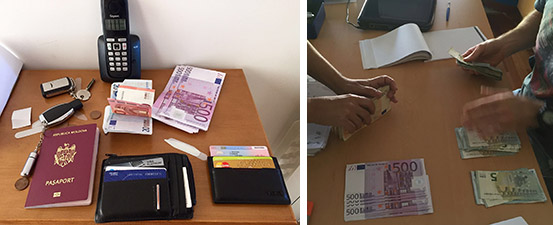
Today’s operation, involving more than 70 Portuguese police officers and supported on the spot by experts from Europol’s Financial Intelligence Group, was the result of more than one year of a challenging and intricate International criminal investigation. As a result, three key members of this organised criminal network were arrested, 22 houses and companies were searched including four major football clubs, lawyers’ and accounting offices. Several thousand euros in cash (most of it in €500 banknotes) were seized. The deployment of a Europol team in Leiria, Portugal, assisted Polícia Judiciária officers with real-time intelligence analysis and technical support, which aided the identification of transnational links with serious and organised crimes committed in Austria, Estonia, Germany, Latvia, Moldova and the United Kingdom.

• This media release was originally published by Europol on 4 May 2016. To access the original, please click here.

Brazilian Jiu-Jitsu athlete and advisor accepts doping sanction

USADA announced today that Dr. Breno Faria, of Belo Horizonte, Minas Gerais, Brazil, an athlete in the sport of Brazilian Jiu-Jitsu and a nutritionist who was advising athletes, has accepted a four-year sanction for an anti-doping rule violation.

Dr. Faria, 34, voluntarily admitted to providing and encouraging a fellow Brazilian Jiu-Jitsu athlete, who was both his friend and training partner, to use a topical cream containing a prohibited substance prior to competing at the 2014 International Brazilian Jiu-Jitsu Federation (“IBJJF”) World Jiu-Jitsu Championships. At the IBJJF’s request, USADA conducted testing for the event in accordance with the World Anti-Doping Agency International Standard for Testing.

Dr. Faria’s recommendation of the topical cream resulted in the athlete testing positive for testosterone. Anabolic agents are prohibited under the USADA Protocol for Olympic and Paralympic Movement Testing, which has adopted the Code and the World Anti-Doping Agency Prohibited List. The athlete advised by Dr. Faria ultimately accepted a one-year period of ineligibility as a result of his positive test and anti-doping rule violation.

While Dr. Faria was not working in a professional capacity when he recommended the topical cream to his friend, his prohibited conduct occurred while he was acting in an athlete support role. As such, Dr. Faria was subject to the sanctions set forth in the Code for Athlete Support Personnel who administer prohibited substances or methods to athletes in their care. Under the Code, the sanction for the Administration of a prohibited substance ranges from a four-year period of ineligibility, at a minimum, to a lifetime period of ineligibility, at a maximum.

Given Dr. Faria’s voluntary admission of his anti-doping rule violation, USADA determined that a four-year period of ineligibility was the appropriate outcome in this case. Dr. Faria’s sanction began on February 7, 2015, the date he first disclosed and admitted his doping offense to USADA. In addition, Dr. Faria has been disqualified from all competitive results achieved in competitions sanctioned by the IBJJF or any Code signatory on and subsequent to May 28, 2014, the date the 2014 IBJJF World Jiu-Jitsu Championships started, including forfeiture of any medals, points, and prizes. IBJJF has agreed to impose the sanction.

In an effort to aid athletes, as well as all support team members such as parents and coaches, in understanding the rules applicable to them, USADA provides comprehensive instruction on its website on the testing process and prohibited substances, how to obtain permission to use a necessary medication, and the risks and dangers of taking supplements as well as performance-enhancing and recreational drugs. In addition, the agency manages a drug reference hotline, Drug Reference Online (www.GlobalDRO.com), conducts educational sessions with National Governing Bodies and their athletes, and proactively distributes a multitude of educational materials, such as the Prohibited List, easy-reference wallet cards, periodic newsletters, and protocol and policy reference documentation.

USADA is responsible for the testing and results management process for athletes in the U.S. Olympic and Paralympic Movement, and is equally dedicated to preserving the integrity of sport through research initiatives and educational programs.

• This media release was originally published by the US Anti-Doping Agency (USADA) on 18 May 2016. To access the original, please click here.

Rugby League player receives four year steroid ban

UK Anti-Doping (UKAD) today confirmed that a 23 year old English rugby league player, John Todd, has been suspended from all sport for four years following an Anti-Doping Rule Violation (ADRV).

Todd, who was registered with Whitehaven RLFC in the Kingstone Press Championship, tested positive for the presence of nandrolone, an anabolic steroid, following an out-of-competition test on 27 November 2015.

Todd, from Maryport in Cumbria, promptly admitted to the rule violation and the National Anti-Doping Panel (NADP) imposed a ban of four years.

UKAD’s Director of Legal, Graham Arthur said:

“This case continues to highlight the worrying and growing trend of steroid use amongst young men.

“UKAD works alongside the Rugby Football League (RFL) to provide players with vital anti-doping education and resources to ensure that they are aware of the risks that steroid use poses to both their health and their sporting careers.”

The player is banned from all sport from 18 December 2015 until midnight on 17 December 2019.

The full written decision can be found under current rule violations

• This media release was originally published by the UK Anti-Doping on 18 May 2016. To access the original, please click here.

WADA Statement regarding Re-testing of 2008 Beijing Olympic Samples

The World-Anti-Doping Agency acknowledges the International Olympic Committee (IOC)’s announcement of 17 May concerning their retesting of 454 doping samples from the Beijing Olympic Games in 2008. The World Anti-Doping Code (Code) makes it possible to open a disciplinary proceeding within ten years from the date an anti-doping rule violation occurred (ADRV). This reflects WADA’s, and the anti-doping community’s, belief that retesting as science advances is a powerful means for advancing clean sport. We also believe that retrospective testing serves as a strong deterrent to those who may consider cheating.

These particular re-tests followed work with WADA and the International Federations. They were focused on athletes who could potentially start at the Olympic Games Rio 2016. As a result, up to 31 athletes from six sports could be banned from competing at the Olympic Games in Rio.

On 17 May, the IOC’s Executive Board agreed to initiate proceedings immediately with the 12 NOCs concerned. They further stated that all athletes infringing anti-doping rules will be banned from competing at the Olympic Games Rio 2016. In keeping with WADA’s policy, the Agency does not comment on individual cases during the results management process.

• This media release was originally posted on the website of the World Anti-Doping Agency (WADA) on 18 May 2016. To access the original, please click here

IOC to explore if athletes from ‘contaminated’ federations can compete

International Olympic Committee (IOC) President Thomas Bach is keen to explore whether athletes from ‘contaminated’ federations could compete in Olympic events, if they can prove that they are clean. The IOC yesterday asked the World Anti-Doping Agency to investigate allegations that the laboratory used for the Sochi 2014 Winter Olympics may have been corrupted.

‘The results of the WADA investigation will also greatly influence the nature of the participation of Russian athletes in the Olympic Games Rio 2016’, wrote Bach today. ‘Should there be evidence of an organised system contaminating other sports, the International Federations and the IOC would have to make the difficult decision between collective responsibility and individual justice. It would have to consider, whether in such ‘contaminated’ federations the presumption of innocence for athletes could still be applied, whether the burden of proof could be reversed. This could mean that concerned athletes would have to demonstrate that their international and independently proven test record is compliant with the rules of their International Federation and the World Anti-Doping Code, providing a level playing field with their fellow competitors.’

Bach did not expand on how, in practice, an athlete from such a ‘contaminated’ federation might prove that they are clean. However he did indicate that the IOC may have to take such a decision balancing the interests of the athlete from the ‘contaminated’ federation against the interests of the world’s clean athletes.

“Whenever it comes to individual justice, this means individual justice for the concerned athletes, but also for the clean athletes around the globe”, he said in a teleconference call today, adding that whatever WADA’s investigation uncovers, “we will do everything to provide a level playing field for all the athletes around the globe and in this way, to protect the integrity of the competition in the Olympic Games in Rio”.

In a similar vein, Bach would not expand on whether NOCs or international federations would be expelled from the Rio Olympics. “I will not speculate on the result, because there will be a decision we will have to make between collective responsibility and individual justice”, he said. “If these allegations are proved, we will hold everybody implicated responsible. Different kinds of action are possible. This could be a lifelong ban for any implicated person – that means not only athletes or the immediate entourage; everybody implicated could be held responsible and could be banned from Olympic events. There could be financial sanctions on organisations involved. This could include the acceptance of a suspension or exclusion of entire national federations.”

“Whether some other federations have been contaminated in such a way, the presumption of individual innocence could still be applied”, continued Bach. “The burden of proof could be reversed. The suspension or exclusion of an entire federation – or federations – would then be accepted by the IOC.”

US investigation

In today’s conference call, Bach said that the IOC had “no information” on whether US authorities were investigating allegations of systemic Russian doping. Yesterday, the New York Times reported that the US Attorney’s Office for the Eastern District of New York is pursuing conspiracy and fraud charges.

Almost exactly a year ago, the US Department of Justice (DoJ) was able to launch an indictment against senior FIFA figures, after it discovered that funds related to corruption had passed through US bank accounts. It is understood that prosecutors are now pursuing a similar line of inquiry regarding Russian doping allegations.

Retests & medal reallocation

Yesterday, the IOC announced that ‘up to 31’ athletes from six sports involving 12 National Olympic Committees (NOCs) had tested positive, following retests of samples taken at the Beijing 2008 Olympics. Retests were carried out on 454 samples taken at Beijing, and retests will also be carried out on 250 samples taken at London 2012.

However the IOC’s Medical and Scientific Director, Dr. Richard Budgett, revealed that it has yet to report a single adverse analytical finding (AAF) from the retests, as the B samples have yet to be analysed. “The B samples will be analysed at the beginning of June and the results will only take a few days”, he said in today’s conference call. “The proper adverse analytical finding will be issued in early June”.

Bach also revealed that there is some crossover between the 454 Beijing 2008 and the 250 London 2012 samples reanalysed. “Some of them are the same”, said Bach. “Athletes who participated in Beijing and London, and may qualify for Rio”.

If an anti-doping rule violation (ADRV) is determined, medal reallocation may prove tricky, as it could require re-analysis of more samples. “A positive case involving a medalist may then lead to another retest of another athlete who would theoretically feature in the medal ranking”, said Bach. “Only then, when we have the result of this other retest, then we would decide about the reallocation of medals.”

Bach indicated that the IOC has confidence in the doping procedures carried out at Beijing 2008 and London 2012, despite the disparity between the number of samples identified by the IOC for retests (454 for Beijing against 250 for London). Bach confirmed that retests had only been carried out using scientific methods not available at the time – not using testing methods that already existed.

Questions remain

Perhaps the most worrying aspect revealed today was that the the IOC has yet to confirm a single AAF from its retesting of the Beijing 2008 samples. This explains why it was only able to announce that ‘up to 31’ athletes had returned positive tests – analysis of the B samples may lessen that number. We will have to wait until June to get a final number.

Also concerning is how the reallocation of medals could play out. If any medallists are identified as having committed an ADRV through the retests, then speculation will also fall on those that finished below them. As Budgett outlined, reallocation of medals is likely to involve more retests on those lower-finishing athletes, which could then result in more positive tests, potentially turning Olympic medals into a farcical affair.

There is also the issue of how, in practice, an athlete from a ‘contaminated’ federation could prove that they are clean. By raising the question of balance between collective responsibility and individual justice, Bach has put the IOC in the unenviable decision of having to decide whether allegations against an individual federation are so egregious that their athletes cannot be allowed to take the starting line. How the IOC will be able to make such a judgment remains to be seen.

Posted in UncategorisedTagged

WADA is Fully Committed to Investigating Sochi Allegations

Today, the World Anti-Doping Agency (WADA) outlined its investigation approach regarding the recent doping allegations in relation to the 2014 Sochi Olympics, which were published by CBS 60 Minutes and The New York Times on 8 and 12 May respectively. 60 Minutes featured allegations of doping misconduct by Russian athletes and entourage members at the Sochi Games; while, The New York Times article alleged that dozens of Russian athletes at the Games, including at least 15 medal winners, were part of a state-run doping program, according to the director of the country’s anti-doping laboratory at the time, Dr. Grigory Rodchenkov.

“WADA is fully committed to investigating these additional allegations that were exposed by 60 Minutes and The New York Times; and, to publicly reporting its findings,” said Craig Reedie, President of WADA. “WADA has tackled this investigative work as a matter of priority for clean sport,” Reedie continued. “Today, we are outlining our approach and what can be expected by stakeholders going forward.”

According to 60 Minutes and The New York Times, Dr. Rodchenkov revealed that samples were manipulated during the Sochi Games by Russia’s Federal Security Service (FSB), which enabled Russian athletes to dope and not be caught. Dr. Rodchenkov — along with American filmmaker, Bryan Fogel, who is working on a documentary that involves Dr. Rodchenkov — has publicly offered to cooperate with WADA’s investigation into these allegations by sharing all existing evidence that he possesses. Although there is no current suggestion that the Sochi laboratory allegations extended to the Moscow laboratory, WADA will inquire as part of its investigation.

Today, the International Olympic Committee (IOC) “requested WADA to initiate a fully-fledged investigation into allegations that testing at the Sochi Laboratory was subverted. The IOC for its part will instruct the Lausanne Anti-Doping Laboratory, where the Sochi samples are stored for ten years, to proceed in cooperation with WADA with their analysis in the most sophisticated and efficient way possible. Also, the IOC has already requested the Russian Olympic Committee to undertake all efforts to ensure the full cooperation of the Russian side in the WADA investigation. The IOC has put its Medical and Scientific Director, who himself is an Olympic Champion, at the disposal of the WADA investigation. Based on the result of this investigation the IOC will take swift action.”

“We thank the IOC for committing to full cooperation with the investigation; particularly, as it relates to the Sochi Games samples,” said Reedie. Upon completion of the investigation, WADA will publish a full report and make available all pertinent evidence that would have been gathered.”

The Investigation Team will be led by WADA’s Investigations Manager, Mathieu Holz, who is a former Major of the French Gendarmerie and INTERPOL Agent. Mr. Holz will form a multi-disciplinary team of experts that will include leading independent scientists such as the Director of the WADA-accredited laboratory in Montreal, Professor Christiane Ayotte.

Mathieu Holz will report to WADA’s Director General, David Howman; and, WADA’s Chief Operating Officer and Incoming Director General, Olivier Niggli. WADA will liaise with all its stakeholders; in particular, International Federations, if any evidence indicates that a disciplinary process would need to be instigated within their respective jurisdiction.

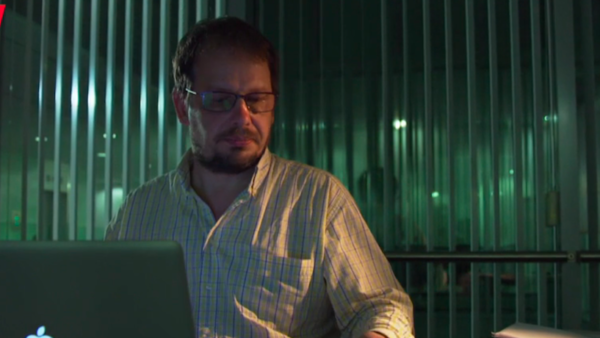
On 9 May, Mathieu Holz wrote Russian whistleblower, Vitaly Stepanov, to request a copy of the fifteen hour Skype recording that Mr. Stepanov referenced containing conversations between him and Dr. Rodchenkov. To date, Mr. Holz has not received an answer from Mr. Stepanov. Subsequently, WADA also wrote Dr. Rodchenkov to offer that WADA representatives travel immediately to Los Angeles to meet with him and Bryan Fogel. The request was acknowledged by Mr. Fogel and WADA is awaiting a proposed meeting date.

• This media release was originally published by the World Anti-Doping Agency (WADA) on 17 May 2016. To access the original, please click here.

IOC retests could ban up to 31 athletes from Rio 2016

Retests carried out on 454 ‘selected’ doping samples from the Beijing 2008 Olympics mean that ‘up to 31 athletes from six sports’ could be banned from competing at the Rio 2016 Olympic Games. The IOC said that the 454 samples had been selected based on athletes who are likely to compete in Rio. ‘The Executive Board of the IOC today agreed unanimously to initiate proceedings immediately, with the 12 NOCs concerned informed in the coming days’, read an IOC statement. ‘All those athletes infringing anti-doping rules will be banned from competing at the Olympic Games Rio 2016.

The retests carried out by the IOC have resulted in a much higher percentage of positives that typically recorded in ordinary doping controls – 6.8% of the 454 samples retested recorded an adverse analytical finding (AAF), compared to the typical return of 1% or under. This appears to give the lie to a theory often raised in anti-doping circles that elite athletes would not dope at a major event where they would be likely to be caught. It also makes the results of a study – which found that as many as 45% of 2,163 elite athletes may have doped in 2011 – seem less outlandish. The authors of that study have accused the International Association of Athletics Federations (IAAF) of trying to block its publication, as well as giving ‘contradictory’ and ‘untrue’ statements to a UK Parliamentary inquiry into doping in athletics.

The IOC said that the results of 250 retests from the London 2012 Olympics would follow shortly, with the same aim of stopping ‘drug cheats coming to the Olympic Games in Rio de Janeiro’. It also said that a wider testing programme involving medalists at Beijing and London would also be undertaken.

The Executive Board of the IOC has also requested that WADA investigate allegations that the Sochi 2014 laboratory was subverted. The IOC has also requested that the Lausanne laboratory retest samples from the Sochi 2014 Winter Olympics. However, as reported by The Sports Integrity Initiative earlier today, there are questions as to whether the samples held by the Lausanne laboratory remain credible, as it destroyed 67 samples sent from Moscow in 2012 despite specific instructions from WADA to retain them.

On 16 March, the IOC confirmed that it would retest samples collected at the last two Olympic Games using scientific methods that were not available at the time. The retests were announced by Dr. Richard Budgett, IOC Medical and Scientific Director, who will assist WADA with its investigation into whether the Sochi laboratory was subverted. Budgett was pictured with Professor Arne Ljungqvist, Martial Saugy, Director of the Lausanne laboratory and with Natalia Zhelanova of the Russian Ministry of Sport at the Sochi 2014 Winter Olympics.

Posted in UncategorisedTagged