

The trouble with Ostarine: Jimmy Wallhead’s
16th March 2018
Features


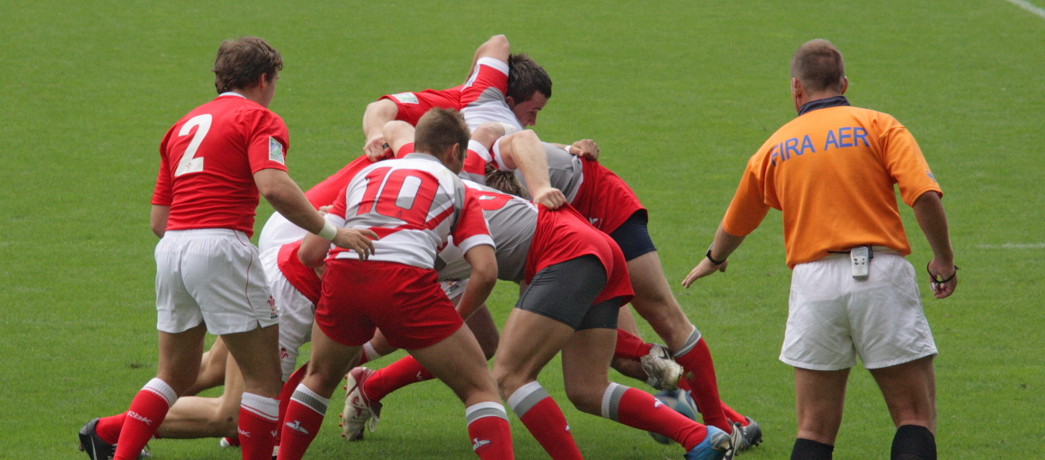
The Welsh sevens player Carl Townsend has been suspended for four years for an anti-doping rule violation. The 27-year old was subject to in-competition urine testing during the Rugby Europe Grand Prix 7s in Moscow earlier this summer. On subsequent analysis, World Rugby, the world governing body for rugby union, said that the sample provided on 7 June 2015 was found to contain the presence of Oxandrolone.
Oxandrolone is a synthetic anabolic steroid and a banned substance under the World Anti-Doping Agency’s (WADA) 2015 list of ‘substances prohibited at all times.’ In a judgment handed down on 13 August, an independent judicial committee ‘decided to impose a four-year suspension, in accordance with the World Rugby regulations and the WADA Code.’ The suspension will run until midnight on 28 June 2019.
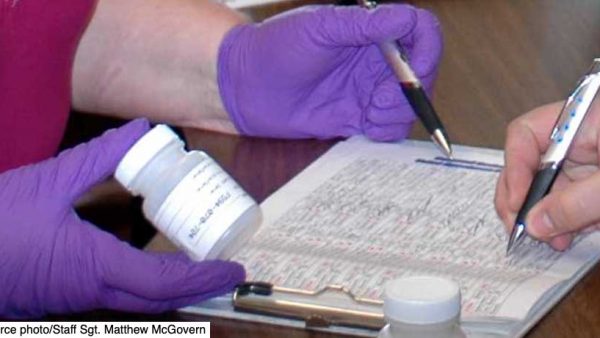
Following the receipt of the result of Townsend’s A sample, he was provisionally suspended on 29 June 2015. Townsend subsequently confirmed that the adverse analytical finding (AAF) was accepted and that he had committed an anti-doping violation. He indicated that he did not require analysis of a further B sample and then waived his right to an oral hearing.
The committee said that Townsend had made ‘no attempt to obfuscate the fact he had committed an anti-doping violation.’ Under World Rugby Regulation 21.2.1, the presence of a prohibited substance results in a four-year ban for a first violation, as is the case in this instance. Townsend did not seek to rely on any specified circumstances which could reduce the period of ineligibility.
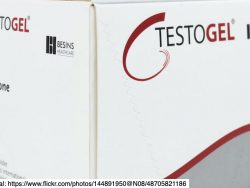
Townsend, in his statement to the World Rugby disciplinary panel, said that he believed that it was food supplements that had led to the positive test. He admitted that he ‘purchased over the counter protein, pre-workout powders and testosterone boosters that were not quality assured and batch tested.’ He further admitted that he was aware that ‘without quality assurance and batch testing there was a significant risk of contamination.’
Townsend said that he regretted the ‘naïve decision’ and that he was aware that it was his responsibility to ensure that the supplements consumed were batch-tested and quality-assured to be in line with the anti-doping rules and regulations.
As a result World Rugby said that Townsend should be dealt ‘in accordance with the mandatory sanction applicable’ under the regulations, without reduction in the period of ineligibility. The governing body said that it operated a ‘zero-tolerance policy on doping’, continuing that ‘players are solely responsible for any prohibited substance found in their body and this decision sends a clear message to all players on the risks of taking a banned substance.’
In its statement, World Rugby emphasised that ‘this particular case highlights the dangers of using supplements and the need for players to be vigilant and aware of what they put into their bodies at all times, as the consequences to their careers could be significant.’
• Eleven athletes (and a horse trainer) from eleven countries, competing in nine sports, were...
• 20 athletes from nine countries, competing in ten sports, were involved in anti-doping proceedings...
• Twenty four athletes from 13 countries, competing in eight sports, were involved in anti-doping...