



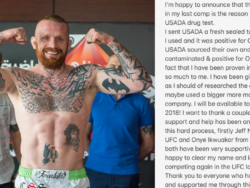
The trouble with Ostarine: Jimmy Wallhead’s
16th March 2018
Features

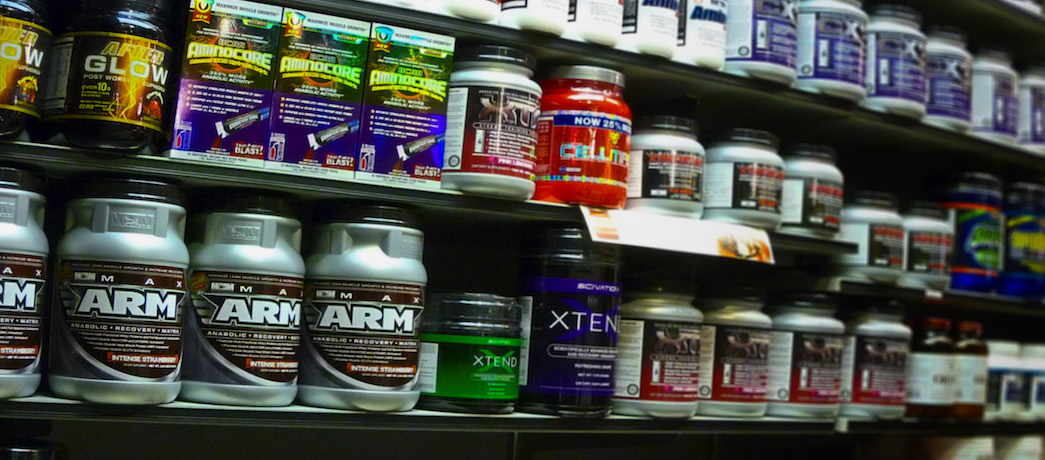
The International Tennis Federation (ITF) has issued a warning over 1,3-Dimethylbutylamine (DMBA), a substance that appears on the World Anti-Doping Agency’s (WADA) Prohibited List, but also appears in supplements ‘in increasing numbers’ under a variety of names. ‘1,3-dimethylbutylamine is known under several other names, including: AMP Citrate; DMBA; Butylamine, 1,3-dimethyl-2-amino-4-methylpentane; 2-Pentanamine; 4-methyl-, 4-methylpentan-2-amine,’ reads the ITF media release. ‘It appears to be replacing the prohibited substance methylhexaneamine (MHA), for which a warning notice was previously issued. Athletes should avoid all products that contain this substance. Products that are reported to contain (or have contained) DMBA, include: Red Rum, Frenzy; Oxyfit Xtreme; OxyTHERM Pro; Redline White Heat; MD2 Meltdown. This is unlikely to be an exhaustive list.’
On October 2014 study revealed that DMBA had been found in a number of dietary supplements, and that its effect on humans is unknown. Methylhexaneamine (DMAA), used in some supplements, is also known as 1,3-Dimethylamylamine. As its alternative name suggests, methylhexaneamine is chemically similar to DMBA, but has been banned in a number of countries as it is thought to cause strokes, heart failure and sudden death. The ITF statement suggests that supplement manufacturers may now be considering chemically-similar alternatives.
In August 2012, the UK’s Medicines and Healthcare products Regulatory Authority (MHRA) ordered that all supplements containing DMAA be removed from the market, after the death of a marathon runner sparked concerns. In July, an investigation by World Sports Law Report and BBC Radio 5 Live found that presenter Nicky Campbell’s sporting performance improved after taking a supplement containing DMAA.
• Eleven athletes (and a horse trainer) from eleven countries, competing in nine sports, were...
• 20 athletes from nine countries, competing in ten sports, were involved in anti-doping proceedings...
• Twenty four athletes from 13 countries, competing in eight sports, were involved in anti-doping...