



The trouble with Ostarine: Jimmy Wallhead’s
16th March 2018
Features


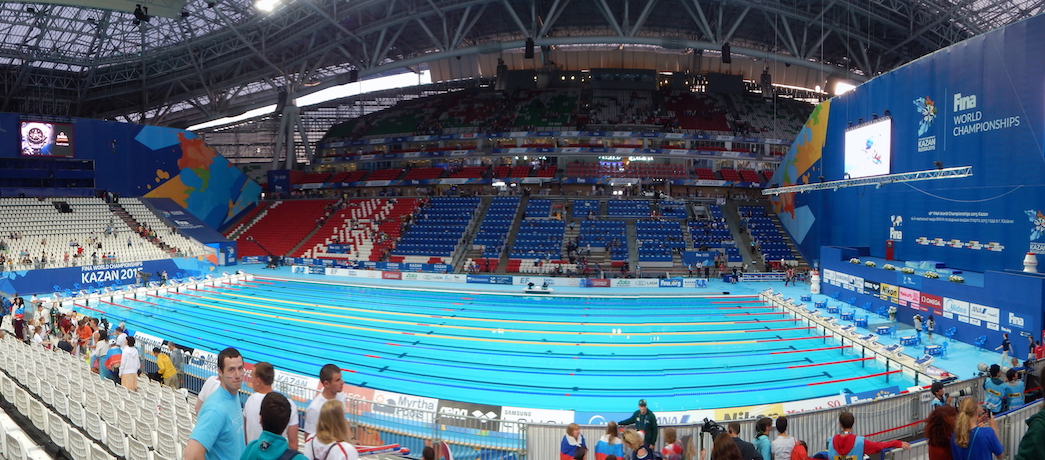
The Fédération Internationale de Natation (FINA) has defended its decision to allow the Russian Anti-Doping Agency (RUSADA) to test samples from its Kazan 2015 World Championships at the Moscow laboratory, arguing that it was adopting protocol used by the International Olympic Committee (IOC) for the Sochi 2014 Winter Olympics. ‘Concerning Kazan 2015, these are in-competition tests, which were analysed in the Moscow laboratory, with the presence of international observers, from the WADA-accredited laboratories of Barcelona and London’, read an e-mailed statement from FINA. ‘After that, each of these samples were transferred for storage to the laboratory in Barcelona. This is the same model used by the IOC at the 2014 Winter Olympic Games in Sochi.’
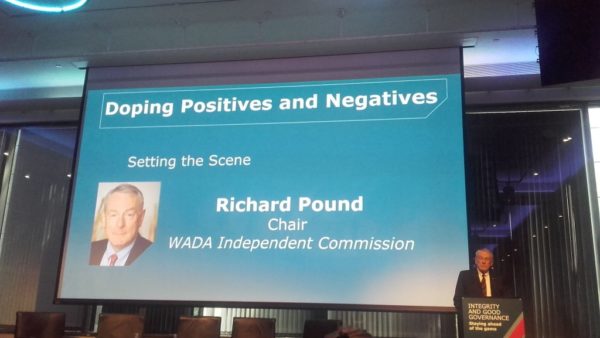
FINA’s response illustrates why the samples from Kazan 2015 were analysed in Russia by the Moscow laboratory. FINA said at the time that it would wait for the outcome of the WADA Independent Commission investigation, and also said that it had ‘excellent working relations’ with RUSADA. ‘Following the announcement of the official investigation, FINA made the decision to move a significant majority of Russian athletes’ samples out of Russia for analysis’, read a 23 March 2016 statement.
The Kazan 2015 Championships took place from 29 July to 4 August, after the World Anti-Doping Agency’s (WADA) Independent Commission had begun investigating allegations of systemic doping in Russia, but before it released its first report in November, which suspended RUSADA and the Moscow laboratory. Sochi 2014 took place in February 2014, long before ARD’s first documentary made allegations regarding systemic doping in Russia in December. FINA is currently investigating allegations of systemic doping in Russian swimming; and if China concealed doping positives ahead of the Chinese Olympic trials this month.
• Eleven athletes (and a horse trainer) from eleven countries, competing in nine sports, were...
• 20 athletes from nine countries, competing in ten sports, were involved in anti-doping proceedings...
• Twenty four athletes from 13 countries, competing in eight sports, were involved in anti-doping...