
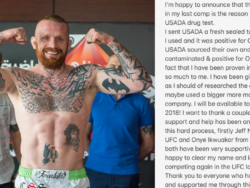
The trouble with Ostarine: Jimmy Wallhead’s
16th March 2018
Features

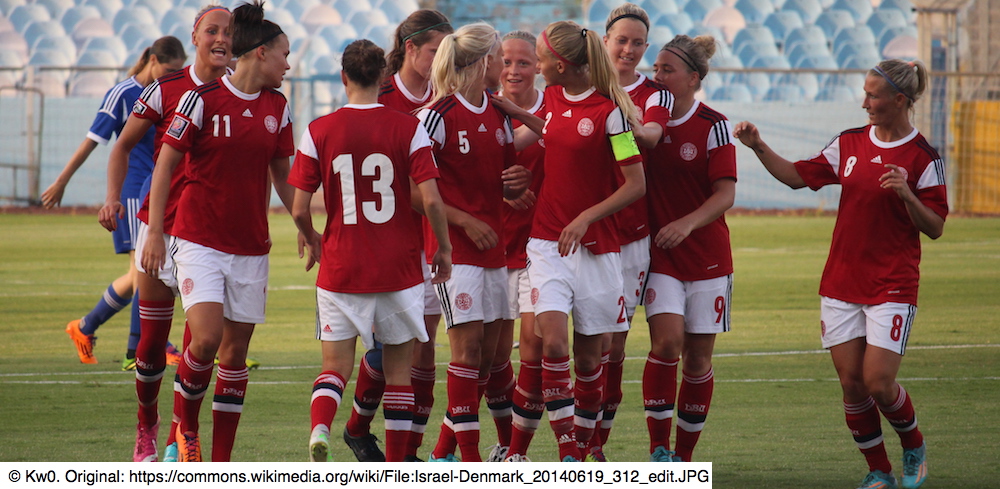
The Danish football association (DBU) has cancelled today’s Women’s World Cup qualifying match against Sweden due to a dispute over pay and conditions. The Danish women’s team did not show up for training on Monday and Tuesday this week in protest against the DBU’s failure to agree a collective pay deal for the national team. As a result, the DBU informed the Swedish football association (SFF) on Wednesday that it would not be taking part in the match. The DBU also said that it had informed FIFA, and was now awaiting sanctions.
“It is a historically bad day for the female national team and for Danish football overall”, said Kim Hallberg, the DBU’s Vice President, in a statement. “It is regrettable, but also quite grotesque that we are in a situation where the players will not show up for important international matches, although we have offered better conditions and invited them to new negotiations after the matches. The players association has taken the players and fans hostage in union negotiations.”
Unsurprisingly, the Danish players association (Spillerforeningen) saw things differently. ‘The DBU chose to break off negotiations with players about new collective agreements, despite the fact that it is now only the remuneration of the female national team that divides the parties’, it said in a statement. It is understood that members of the national team received invitations from the DBU based on individual remuneration, however the players are seeking a collective deal.
The Spillerforeningen alleges that the DBU is not prepared to give the women’s national team a reasonable pay rise. It states that a women’s national team player currently receives, on average, DKK14,000 (€1,880) per month. The DBU claims to have offered to increase its investment in the women’s national team from DKK2.6 million (€350,000) to DKK4.6 million (€618,000) per year.
• Eleven athletes (and a horse trainer) from eleven countries, competing in nine sports, were...
• 20 athletes from nine countries, competing in ten sports, were involved in anti-doping proceedings...
• Twenty four athletes from 13 countries, competing in eight sports, were involved in anti-doping...