
The trouble with Ostarine: Jimmy Wallhead’s
16th March 2018
Features

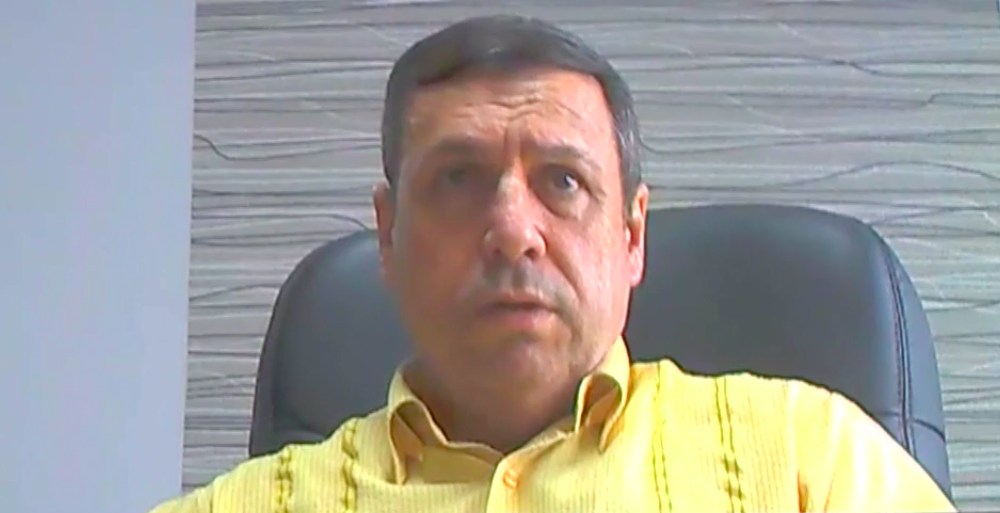
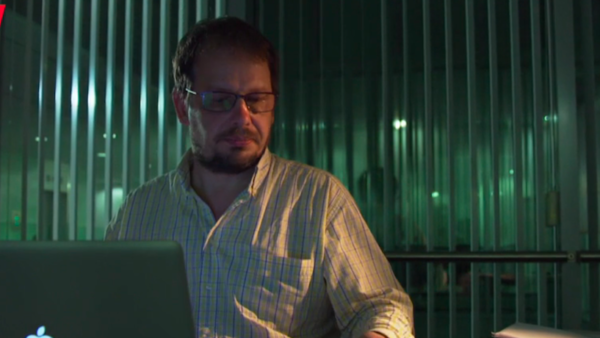
A new documentary produced by Hajo Seppelt for ARD has alleged that Dr. Júlio César Alves (pictured), who works at the Medicina Oromolecular centre in Piracicaba, has supplied a number of elite athletes with prohibited substances, as well as providing advice on application of substances to help mask potential positive urine tests. The documentary (video below) also alleges that a stalled investigation into Dr. Alves’s 2013 claims (video below) that he had doped athletes over 20 years allowed him to continue to operate during the Rio 2016 Olympics.
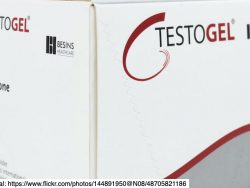
Dr. Alves made similar claims in 2002, as this YouTube search reveals. In the ARD investigation, Alves arranges to provide undercover reporters with a number of doping substances, including clenbuterol and erythropoietin (EPO), which were delivered by courier a cost of R$10,500 (€2,800). However, the documentary makers discover a cheaper phone delivery method for substances including trenbolone, nandrolone, clenbuterol and testosterone, which are pictured being delivered for R$815 (€220).
ARD notices that the substances are manufactured in Paraguay. It visits Farmaco, which claims to supply anabolic substances (available over the counter in Paraguay) to top division footballers in Argentina and Brazil. ARD says it was told by the World Anti-Doping Agency (WADA) that it was previously unaware of the laboratory.
In the video, Dr. Alves also claims to have treated Brazilian FIFA World Cup winner Roberto Carlos to develop his muscles from the age of 15. It also features 200 pages of evidence on Dr. Alves that was passed to prosecutors, who in 2015 ordered a police investigation. Part of this evidence is an extract from an testimonial given by an athlete which names Carlos as having received treatment from Alves in 2002.
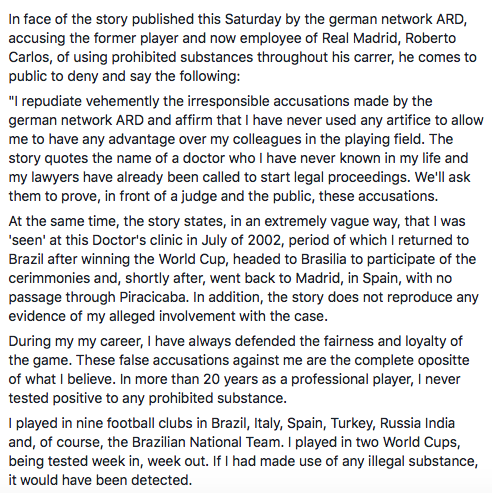
Carlos has denied ever having been treated by Dr. Alves, and has said that he is considering legal action. ‘I vehemently condemn the irresponsible accusations made by the German ARD network and reaffirm that I have never used an substance that would allow me an advantage over my colleagues’, he said in a statement on Facebook. ‘The report cites the name of a doctor I have never known in all of my life, and I have called upon my lawyers to challenge the false accusations in court and ask that they prove, in front of a jury and publicly, the accusations’.
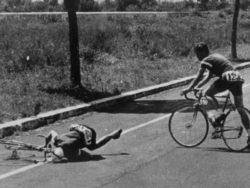
Dr. Alves also claims to have treated cyclists taking part in the Tour de France, treating them during the December off-season. He also claims that the best age at which to treat athletes is when they are 13 or 14, which he claims to do by delaying the onset of puberty in order to work on muscle development.
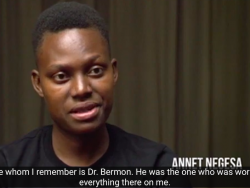
The documentary also features evidence from Eliane Pereira, a former international athlete, who alleges that Dr. Alves treated her from the age of 17. At 19, she tested positive after the South American athletics championships, but argues she didn’t know that the substances given to her by Dr. Alves were prohibited. She also alleges that Dr. Alves told her to apply a cream before taking a urine test in order to avoid reporting an adverse analytical finding (AAF).
The documentary also alleges that WADA is in possession of a telephone recording – which ARD features in the documentary – involving the head of a testing company advising that sport can select which athletes should be tested as part of ‘random’ testing at major events. ‘WADA is aware of the documentary released this weekend by German broadcaster, ARD, titled “Doping Top Secret – Brazil’s Dirty Game”’, read an emailed statement from WADA. ‘The matters raised within the documentary are part of an ongoing investigation being carried out by WADA’s independent Intelligence and Investigations team and therefore, we are unable to comment further’.
In the documentary, a member of the Brazilian anti-doping agency’s (ABCD) national secretariat, Marco Aurelio Klein, alleges that trained Doping Control Officers (DCOs) were not put to work at the Rio 2016 Olympics. Instead, the documentary alleges, untrained individuals were relied upon. Luis Horta, a former legal advisor to ABCD, tells the documentary makers that pressure not to conduct out-of-competition (OOC) testing was applied by the Brazilian Olympic Committee (COB) ahead of the Olympics.
ARD alleges that 3 July 2016 was the last time that the Brazilian anti-doping agency (ABCD) conducted an OOC test, and that ABCD conducted just five tests during the 2016 Olympic year. Alleged issues with testing in Brazilian football are also outlined, such as DCOs not following official protocol by letting athletes out of their sight. The ABCD, the COB and the Brazilian football confederation (CBF) have yet to respond to the allegations.
Athletes have been medically harmed due to sport’s limits on testosterone in its female category,...
• Twenty three athletes from 14 countries, competing in 11 sports, were involved in anti-doping...
• Twelve athletes from nine countries, competing in seven sports, were involved in anti-doping proceedings...