










The trouble with Ostarine: Jimmy Wallhead’s
16th March 2018
Features



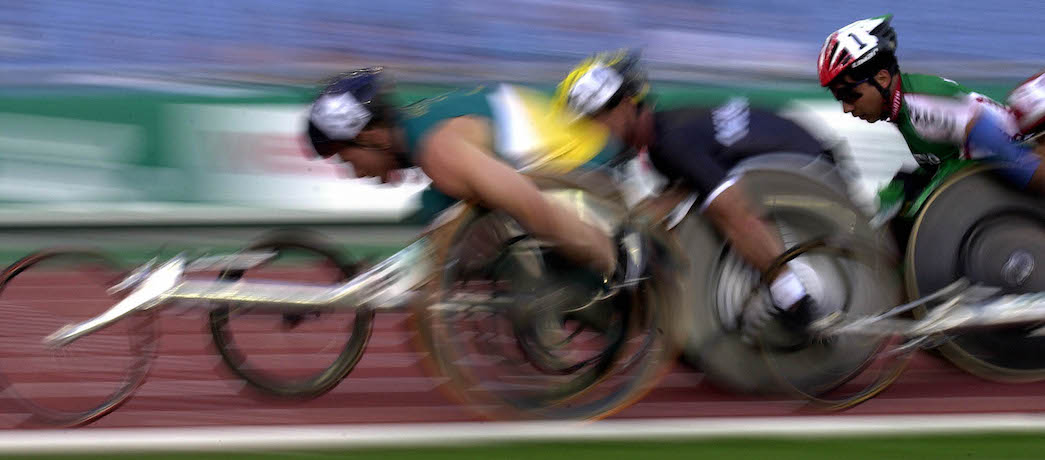
The International Paralympic Committee (IPC) has updated its rules to crack down on ‘boosting’ – a practice whereby paralympic athletes hurt themselves in order to induce autonomic dysreflexia, which is understood to give them a performance advantage. An IPC study outlines how athletes with a high-level spinal injury have ‘limited physiological potential for improvements in cardiac output and maximal oxygen uptake which are known to improve racing performance’.
In other words: ‘during competition a wheelchair athlete’s heart rate does not increase according to the body’s demands, leading to low blood pressure, fatigue, often poor performance and a loss of endurance’. As such, the study found that some athletes with high level spinal cord injuries ‘partly compensate for the loss by the induction of the dysreflexic state’, resulting in increased blood pressure, improved blood flow to muscles and better performance.
The study questioned 99 athletes. It found that methods used to induce autonomic dysreflexia by clamping of the urinary catheter to produce bladder distension; excessive tightening of the leg straps; twisting and/or sitting on the scrotum; or other ‘less dramatic’ methods such as abdominal binders or pressure stockings. ‘Some men have been known to break their big toe before the competition’, warns the study.
The new rules, dated April but published on 2 May, lower the limit on systolic blood pressure from 180mm Hg to 160mm Hg. This is because the IPC’s study found that athletes entering a dysreflexic state risk a stroke, intracranial haemorrhage or death.
‘An athlete with a systolic blood pressure of above 160mm Hg will be re-examined approximately ten minutes after the first examination’, they read. ‘If on the second examination the systolic blood pressure remains above 160mm Hg the person in charge of the examination shall inform the Technical Delegate to withdraw the athlete from the particular event in question’.
‘Any deliberate attempt to induce autonomic dysreflexia is forbidden and will be reported to the Technical Delegate’, the rules continue. ‘The athlete shall be disqualified from the particular event regardless of the systolic blood pressure. In addition, a report on the deliberate attempt to induce autonomic dysreflexia, or an attempt to compete in a hazardous dysreflexic state, will be provided to the IPC Legal and Ethical Committee for subsequent investigation in relation to the non-respect of legal and ethical principles by the athlete and/or athlete support personnel.’
• Eleven athletes (and a horse trainer) from eleven countries, competing in nine sports, were...
• 20 athletes from nine countries, competing in ten sports, were involved in anti-doping proceedings...
• Twenty four athletes from 13 countries, competing in eight sports, were involved in anti-doping...