


The trouble with Ostarine: Jimmy Wallhead’s
16th March 2018
Features

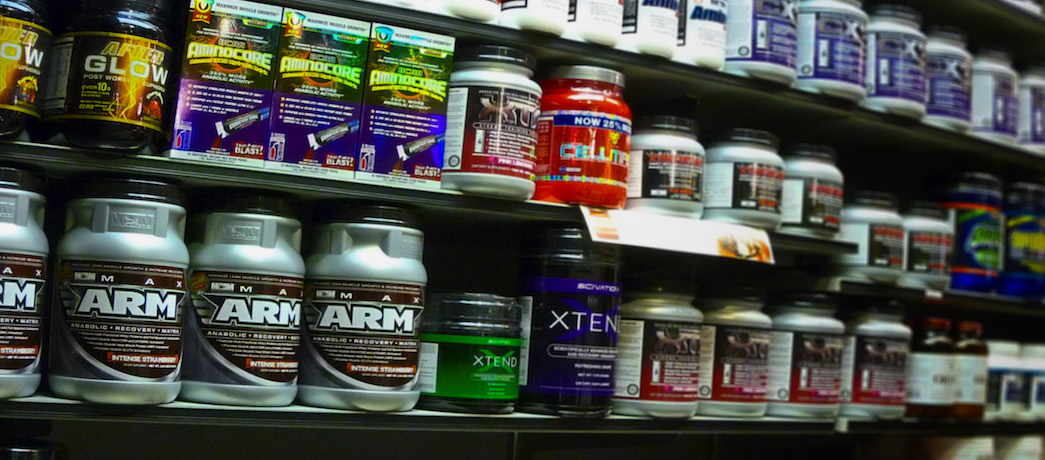
The Food Safety and Standards Authority of India (FSSAI) and the country’s National Anti-Doping Agency (NADA India) are finalising guidelines that would require sports supplements sold in the country to feature ‘Does not contain any Prohibited Substances as per WADA’ on labels. The Guidelines would require manufacturers to test their products twice a year at FSSAI approved laboratories, and to maintain records of such tests.
Imported sports supplements that are sold in India would require the same standards. The Guidance also requires online retailers not based in India to feature the expiry dates of products; traceability details; customer support; and information on the manufacturer’s licence.
‘There have been reports of supplements laced/ spiked with banned substances which are unknown to the consumers and this results in unintentional use of prohibited substances which may also be harmful to health’, read the Guidelines (PDF below). ‘This document has attempted to provide an overview about the regulatory status and will help the consumers to understand available provisions made in the FSSAI regulations as well as in NADA’s Anti-doping rule which implies the Strict Liability Clause for the sportspersons where the use of prohibited substances is strictly prohibited and considered unethical […] This guidance document is an outcome of the Memorandum of Understanding (MoU) signed between Food Safety and Standards Authority of India (FSSAI) and NADA in an effort to protect the rights of sportspersons health and to promote fair play.’
On 15 March, the Court of Arbitration for Sport (CAS) heard the cases of Gordon Gilbert and Demarte Pena, both of which are sponsored by Biogen and tested positive for prohibited substances traced back to a Biogen product. The prohibited substance was not listed on the label. The company argues that the supplement that both athletes had taken is not designed for use in sport.
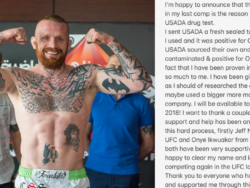
In February, ‘Judo’ Jimmy Wallhead was sanctioned with a nine month ban after retuning an adverse analytical finding (AAF) for ostarine, which was not listed on the label of a supplement he had taken. Classified Nutrition are the subject of a lawsuit launched by triathlete Lauren Barnett, after she tested positive for the same substance. Ostarine is not approved for human consumption in any country.
UK Anti-Doping (UKAD) has confirmed that it is ‘feeding into a wider European group, which is looking to establish a set of European standards for the manufacturing of dietary supplements for sportspeople […] If it is proven that a supplement manufacturer has intentionally breached the legislation, then there should be consequences for the manufacturer especially since there are consequences for an athlete’.
At present in the UK, it would appear that the enforcement burden for manufacturers that breach EU regulations on supplements falls to local authorities. If an ingredient is not listed on the label, the local authority can issue an ‘improvement notice’ to amend the labelling, and if this is not adhered to, they can prosecute. Meanwhile, an athlete could potentially face a four year ban.
It is unclear from India’s Guidelines what sanctions manufacturers would face in cases of breach. It remains to be seen how the Guidelines will navigate some of the nebulous terms on the World Anti-Doping Agency’s (WADA) Prohibited List. These include prohibition on ‘other substances with a similar chemical structure’, as well as categories of prohibited substances, metabolites of substances and isomers (substances with a similar atomic structure). For example, the List prohibits all Beta-2 agonists without naming them.
Supplement manufacturers in India are therefore likely to face a heavy investigatory burden in order to ensure that they can place ‘Does not contain any Prohibited Substances as per WADA’ on their labels. However, removal of the right to use such a label is a powerful tool.
• Eleven athletes (and a horse trainer) from eleven countries, competing in nine sports, were...
• 20 athletes from nine countries, competing in ten sports, were involved in anti-doping proceedings...
• Twenty four athletes from 13 countries, competing in eight sports, were involved in anti-doping...